Pet Odor & Urine Removal — Including Ozonation
We’ve rescued Rottweilers for more than 25 years — so we understand pets, family life, and the stubborn smells that sometimes come with them.
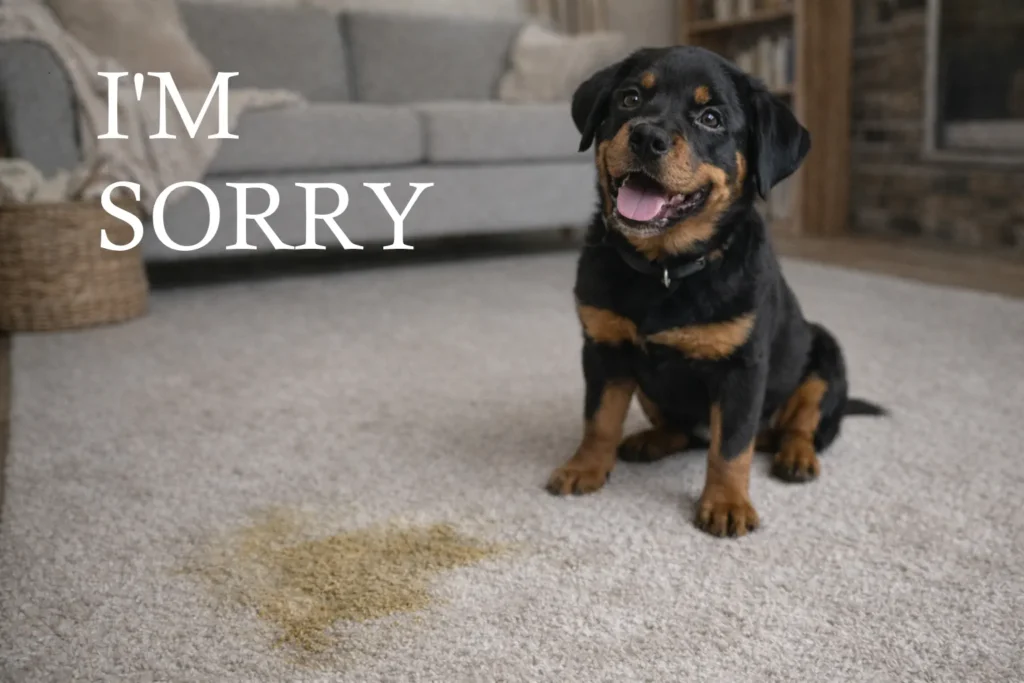
Pet urine doesn’t stay on top of the carpet. It seeps into the backing and padding, grows bacteria, and releases ammonia-type odors. If it isn’t treated correctly, the smell always comes back.
- Deep extraction into the carpet padding
- Pet-safe enzyme treatments that break urine crystals down
- High-heat truck-mount cleaning to flush and sanitize
- No perfumes or cover-ups — odors are eliminated, not masked
- Ozonation available for severe or lingering odors
Result: cleaner carpets, healthier air, and odors that are truly gone.
What To Do Right After A Pet Accident (Before Calling Us)
Quick action can prevent stains, bacteria growth, and long-term odor. The goal is to stop urine from soaking into the pad and sub-floor.
Step 1: Blot — Don’t Rub
Use white paper towels or clean white cloths. Press firmly, and if possible, stand on it to pull moisture upward.
- Keep rotating towels until almost nothing transfers
- For larger accidents, place something heavy on towels for 5–10 minutes
Step 2: Lightly Rinse (Only If Needed)
If the spot is starting to dry, lightly mist with cool water. This helps dilute the urine so it doesn’t crystalize in the fibers.
- Use only a small amount — we don’t want to flood the pad
- Blot again immediately afterward
Step 3: Reduce Bacteria & Odor Spread
Moisture + warmth = odor. The more airflow, the better.
- Open windows or turn on fans
- Keep pets away from the spot until cleaned
- If possible, avoid walking on it
What NOT To Use
Certain products actually make professional cleaning harder and can permanently set odors.
- No steam cleaners — they bake urine deeper into the pad
- No vinegar or baking soda — sets stains & changes carpet pH
- No perfume sprays or deodorizers — only mask the smell
- No household cleaners (like Fabuloso, 409, etc.)
When To Call Us Immediately
- Repeated accidents in the same area
- Strong ammonia smell that won’t go away
- Yellowing or sticky residue
- Pet keeps returning to the same spot
Good news: doing these simple steps helps us remove more odor, protect your carpet — and sometimes saves you money.
Ozonation: When Odors Go Beyond The Carpet
Sometimes urine odor doesn’t stay in the carpet. It evaporates, bonds to the air, sticks to walls, baseboards, furniture, and even HVAC systems.
That’s when we use professional ozonation — the same process used in hospitals, restoration companies, and property management.
What Ozone Actually Does
Ozone (O3) is an activated oxygen molecule. When it meets bacteria, odor gases, or organic contamination — it breaks them apart at the molecular level.
- Destroys odor — doesn’t cover it up
- Reaches under furniture, inside cracks, fabrics & walls
- Neutralizes bacteria, mildew, smoke, pet urine vapor and more
- Leaves zero residue behind once the cycle is done
Our Safety Protocols
- No people, pets, or plants in the home during treatment
- Windows cracked afterward for safe ventilation
- We return and meter-test before declaring the area safe
How Our Ozonation Process Works
- Inspect the odor source — make sure cleaning has been done first
- Seal the treatment area if needed
- Place and run the ozone generator under controlled timing
- Ventilate and air purge the space
- Confirm odor neutralization — not masked
When Ozonation Is The Right Choice
- Severe pet urine odors in multiple rooms
- Odors trapped in upholstery, walls, or HVAC
- Homes with lingering pet, smoke, or “mystery odors”
- Rental homes, move-outs, or real estate sale prep
When we WON’T recommend it: if cleaning alone will solve the problem. We never upsell ozone unless it is truly needed.
Bottom line: if the smell is still there after standard cleaning — ozonation finishes the job.